
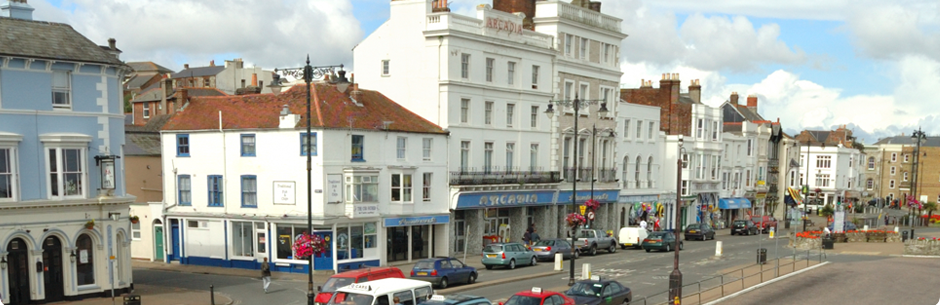
Tourism
Navitus Bay recognises the importance of the coastal area to tourism and is in on-going discussions with statutory consultees, including tourism experts within each of the Local Authorities along the coast, as well as a number of local tourism management boards.
Socioeconomics
As part of Navitus Bay’s Environmental Impact Assessment, it has conducted a business survey to determine the likelihood and scale of impacts on the local tourism industry across all trading periods throughout the year. In July 2012, Navitus Bay published advance copies of the results of this survey, and other socio-economic impact assessments, to share with local planning authorities and members of the project’s Tourism Liaison Group (formed of the region’s tourism officers) and several local councillors with responsibility for tourism. The results of all surveys have now been published on the website and can be downloaded here.
The top line findings of the tourism business survey show a degree of optimism or neutrality about the tourism prospects for the region:
- The vast majority (92%) of the tourism businesses interviewed expect their business to increase or remain stable and most (72%) believe Navitus Bay Wind Park would have little or no impact on their business prospects(i).
- This optimism was shared by visitors to the region – 86% of Summer-season visitors said the development would not put them off visiting the region in the future (ii).
About the surveys
i. The Tourism Business Survey was conducted by PBA Roger Tym & Partners during March and April 2013. 1,127 businesses which could be considered to derive part or all of their trade from tourism, within a 10km of the coastline closest to the proposed wind park were contacted. After a minimum of three attempts to contact each business, 302 were interviewed in total.
ii. Two visitor surveys were conducted by TSE Research:
a) Summer 2012 Visitor Survey: 1,520 visitors were interviewed face-to-face at six sampling points (Bournemouth, Durlston Head, Milford on Sea, Highcliffe Castle, Sandbanks, Isle of Wight (Needles)) between June and September 2012.
b) Spring 2013 Visitor Survey: 507 visitors were interviewed face-to-face at six sampling points (as above) during March and April 2013.
ACADEMIC RESEARCH ON WIND FARMS AND TOURISM
There has been a large body of academic research conducted over the past decade on the relationship between wind turbines and tourism. This work has demonstrated that wind farms do not have a significant impact on areas reliant on tourism and that attitudes towards wind turbines become more positive once people experience them first-hand.
 Click here to find out more
- In 2003, the Scottish Executive commissioned a comprehensive study into the attitudes of 1,810 people living within a 20km radius of 10 separate ‘large’ wind farms (nine turbines or more) across the country. The poll showed that people were actually more positive about wind turbines the closer they lived to them, and that while 27% expected wind development to spoil the landscape before construction, only 12% agreed after construction.
- In 2005, St Andrews University surveyed the attitudes of people living within a 10km radius of several wind farms in the Scottish Borders and in southwest Ireland – two areas heavily reliant on tourism for their economy. The report found that although people expected a negative impact on tourism prior to the construction of the wind turbines, they soon found that these fears were unfounded. In fact, a majority of tourists associated wind farms with renewable energy rather than with landscape damage.
- There is now sufficient data on wind farm developments in the UK to support the case that they are becoming tourist attractions in their own right. The visitor centre for Scroby Sands offshore wind farm near Norfolk, one of the first in the UK, attracted over 40,000 visitors in 2010. Onshore wind farms also attract significant attention: the visitor centre at Whitelee Wind Farm, run by ScottishPower Renewables, has received 200,000 visitors since it opened in 2009, while 10,000 visitors a year take the ‘turbine tour’ at the EcoTech Centre in Swaffham, Norfolk.
TOURISM LIAISON GROUP
As part of Navitus Bay’s commitment to working with representatives from the region’s tourism industry, it has established a Tourism Liaison Group to engage with tourism officers from each of the authorities in the study area. This has the following objectives:
- To engage local authorities and other stakeholders across the study area in the tourism research programme and other assessments
- Ensure the tourism research programme includes suitable approaches to capture the area’s varied markets, seasonality, and the potential effects of the Navitus Bay Wind Park development on them
- Ensure a consistent approach across the study area as a whole
- Provide a forum to present the revised visuals and scheme details as they are available, receive considered professional input from each member of the group and, as and when appropriate, consider a co-ordinated approach to any mitigation measures which may be required
- Provide access to the most recently available data sets from stakeholders
Navitus Bay will continue to work with local and regional recreational tourism organisations to identify those activities that people enjoy in the area which might be affected by the wind park. This will help Navitus Bay understand the potential concerns of recreational users and give it the best chance to address them.
UNESCO WORLD HERITAGE STATUS
As a very important heritage asset and tourist attraction, Navitus Bay understands the concerns raised about any potential impact of the wind park development on the Jurassic Coast World Heritage Site. It is not anticipated that the project will impact on the outstanding geology for which the Jurassic Coast is designated, however, the potential impact on its setting will be captured in the Seascape, Landscape and Visual Impact Assessment within the EIA.
Navitus Bay continues to engage with the World Heritage Site to ensure that any potential impacts on the area are fully assessed and communicated at the appropriate time.


